Water Damage Restoration in Austin, TX
We walk Austin homeowners through exactly what happened, what needs to be done, and what it will cost — before any work begins. IICRC-certified water damage restoration, mitigation, and repair specialists, available around the clock.
24/7 emergency line — no obligation to proceed
How We Restore Water-Damaged Homes in Austin
Water damage is disorienting. One moment everything is fine; the next, you are standing in a wet room wondering what to do first. Here is what we want you to know: the situation is almost always more manageable than it looks, and understanding the process is the first step toward getting your home back to normal.
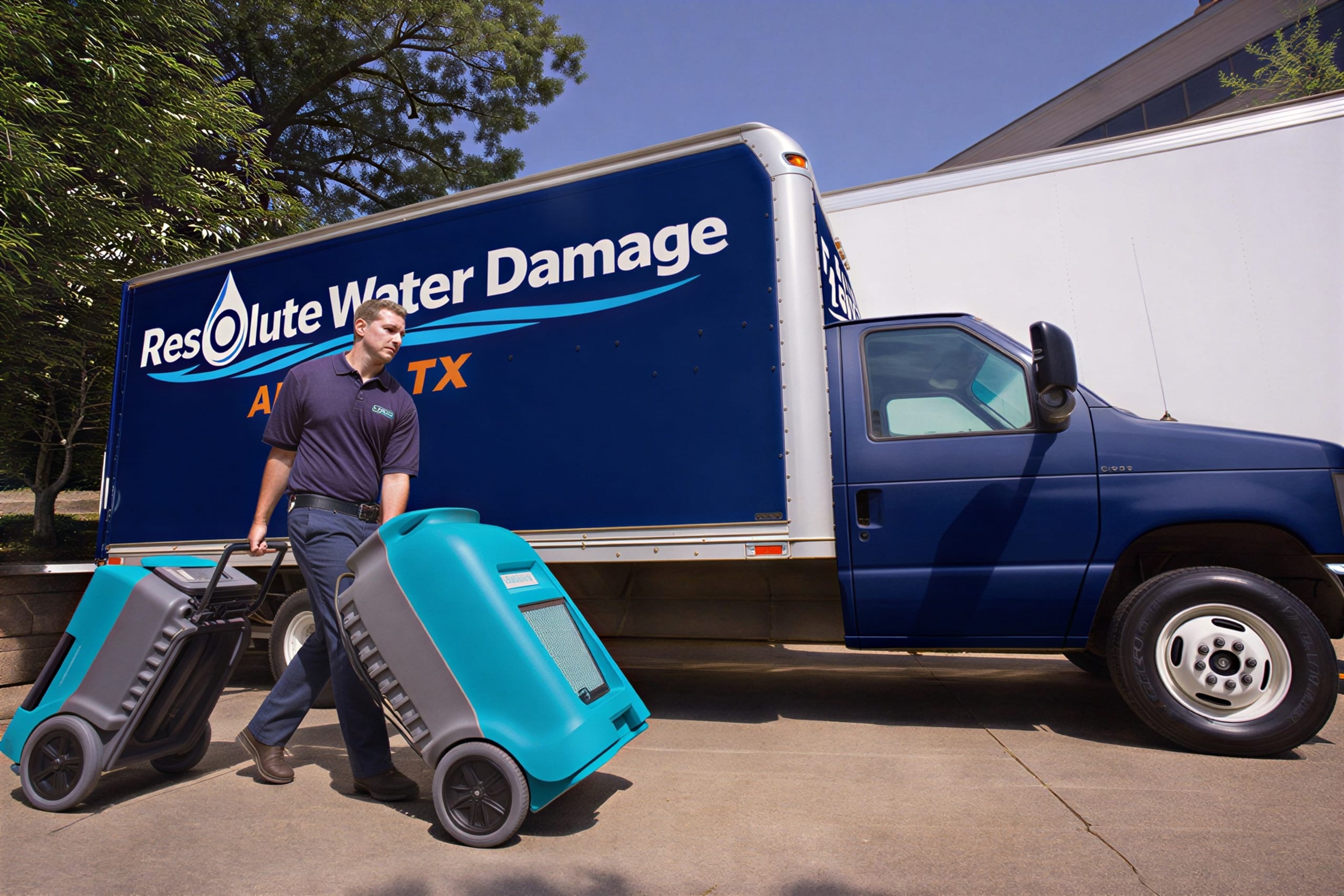
At Resolute Water Damage Austin, we specialize in residential water damage restoration and mitigation for Austin homeowners. That means we handle everything from the initial emergency water extraction and water damage mitigation through structural drying, mold prevention, and final structural repairs. Our approach is built around a simple idea: you deserve to understand exactly what is happening in your home before you agree to any work.
Every water damage situation is different. A slow dishwasher leak that has been wetting your subfloor for weeks requires a different response than a burst supply line that dumped fifty gallons onto your kitchen floor in twenty minutes. We tailor our drying plan to the specific materials affected, the moisture levels we measure, and the layout of your home — because a generic approach wastes time and money.
Our Services at a Glance
Comprehensive water damage mitigation, water extraction, and full restoration for Austin area homeowners — handled from assessment through final repair.
Water Damage Restoration
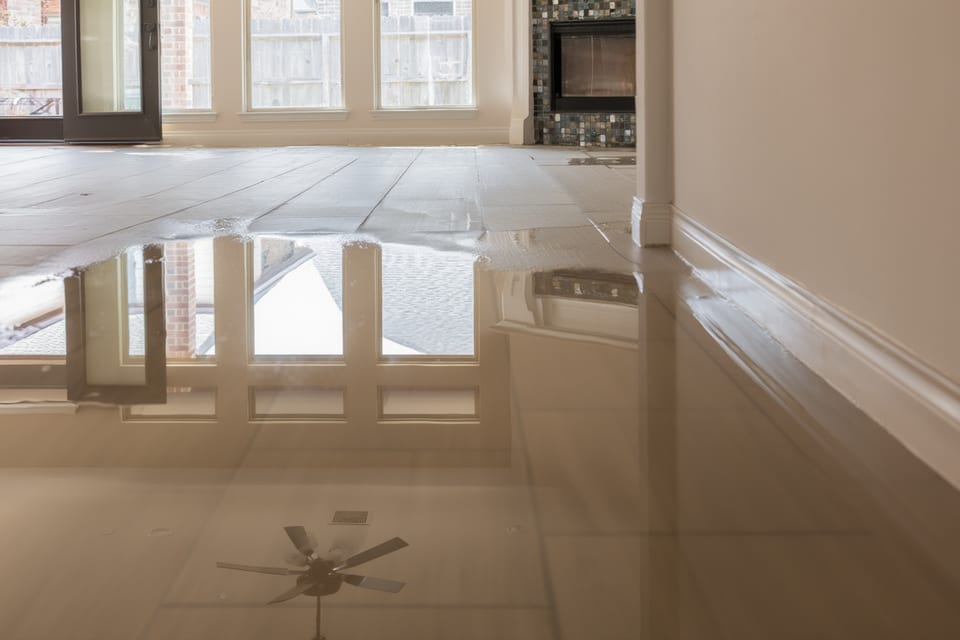
Complete water mitigation — extraction, structural drying, and moisture documentation for insurance claims.

Emergency Water Removal
Fast response to plumbing failures and appliance leaks — we arrive with truck-mounted extraction equipment to stop damage before it spreads.
Mold Remediation
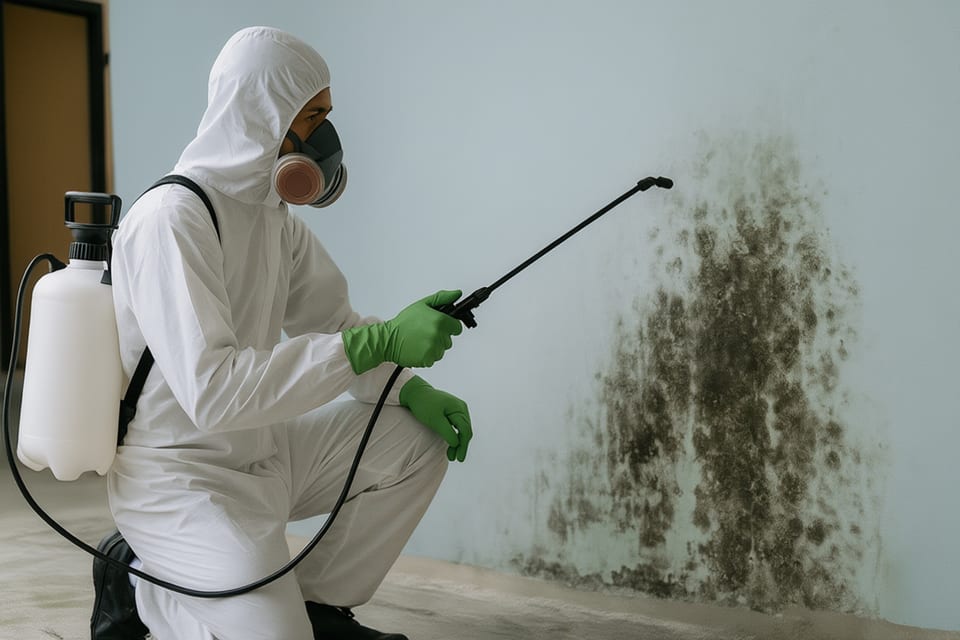
Safe, documented mold removal following IICRC S520 protocols — with moisture correction to prevent recurrence.
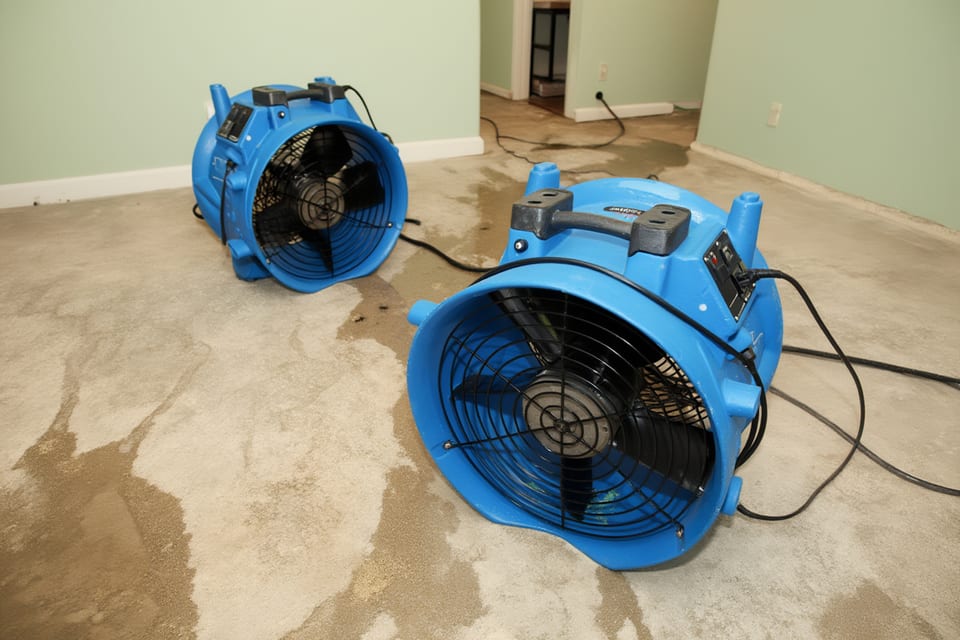
Structural Drying
Industrial dehumidification and airflow systems placed based on moisture mapping — we dry without unnecessary demolition.
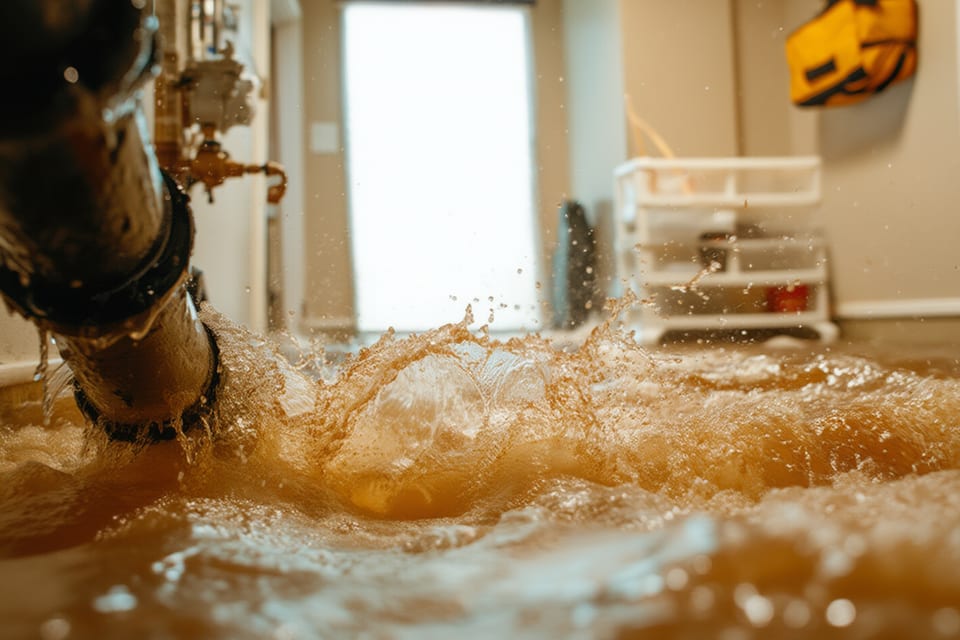
Sewage Cleanup
Category 3 black water requires specialized handling — contaminated material removal, disinfection, and insurance documentation.
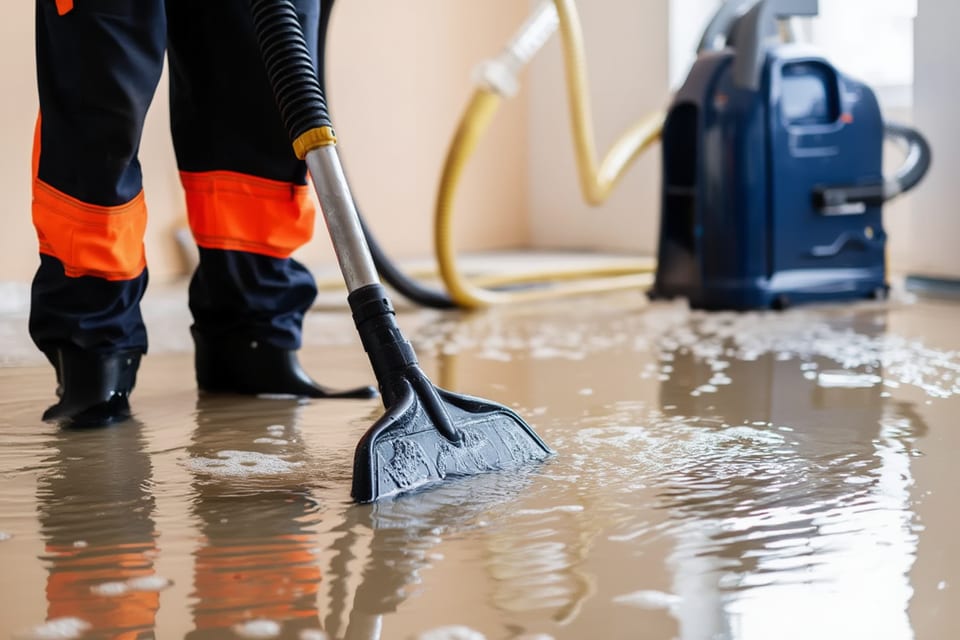
Water Extraction
Truck-mounted pumps and commercial extractors remove standing water fast — the critical first step before drying can begin.
Understanding Your Austin Water Damage Situation
If you are reading this page, there is a good chance you are dealing with water damage right now — or you recently discovered something that concerns you. Here is what you need to know to make informed decisions about your next steps.
Not all water damage is visible. Water follows gravity and capillary action simultaneously. It soaks downward through flooring into the subfloor and slab, but it also wicks upward through drywall — sometimes traveling two to three feet above the visible waterline. A wet baseboard often means wet insulation inside the wall cavity. This is why professional moisture mapping with pin-type meters and infrared cameras matters: it reveals the full scope of damage that visual inspection alone will miss.
Speed matters, but panic does not. The first 24 to 48 hours after water intrusion are critical for preventing mold growth and secondary structural damage. That said, you do not need to sign a contract with the first company that shows up. A reputable restoration company will explain your situation, provide a written scope and cost breakdown, and give you time to make an informed decision — even during an emergency response.
Your insurance company is not your adversary, but documentation is everything. Texas homeowner's policies generally cover sudden and accidental water damage from internal sources — burst pipes, failed supply lines, appliance malfunctions. What they do not cover is gradual damage from deferred maintenance or external flooding. Regardless of your coverage, thorough documentation (moisture readings, dated photos, drying logs) is what separates a smooth claim from a disputed one. We format every job file to insurance adjuster standards as part of our standard process.
The Austin Climate and Water Damage Risk
Austin's climate creates specific challenges for water-damaged homes that homeowners in other parts of the country simply do not face. Understanding these factors helps you make better decisions about restoration timing and methods.
Heat accelerates microbial growth. Austin's average summer temperatures regularly exceed 95 degrees, and indoor temperatures in an unoccupied or HVAC-compromised home can climb even higher. In these conditions, mold colonies can establish on damp drywall and wood framing within 24 hours — significantly faster than the 48-to-72-hour window often cited in restoration literature written for cooler climates. This is why we prioritize rapid structural drying and often deploy antimicrobial treatments as a preventive measure during the water cleanup phase — including odor removal for musty or sewage-related smells that develop when drying is delayed.
Expansive clay soil affects slab foundations. Much of Austin sits on expansive clay soil (particularly the Blackland Prairie and Taylor Clay formations on the east side). These soils swell when wet and contract when dry, which puts cyclical stress on slab foundations. A plumbing leak beneath or near a slab can exacerbate this movement, leading to foundation shifting that compounds the original water damage. When we encounter slab-adjacent moisture, we document it carefully and recommend foundation evaluation when appropriate.
Humidity complicates the drying process. Central Texas humidity — particularly during spring and early fall — can slow evaporation rates and extend drying times. Our technicians adjust dehumidifier grain depression calculations and air mover placement based on current ambient conditions, not just textbook defaults. This is the difference between a three-day dry and a seven-day dry: calibration to actual conditions, monitored daily with moisture meters.
Common Austin water damage sources we see regularly include failed washing machine supply hoses, water heater failures (especially units over eight years old), toilet supply line ruptures, dishwasher drain clogs, sewage backups from aging municipal connections, and condensation from improperly insulated HVAC systems — particularly in older homes south of the river and in neighborhoods like Crestview, Allandale, and Travis Heights.
Why Austin Homeowners Choose Us
Most restoration companies sell first and explain later. We do the opposite.
Educate Before We Proceed
Before any work starts, we give you a plain-language explanation of what happened, what needs to be done, and what it costs. You review a written scope and make the decision with complete information — not a verbal estimate scribbled on a clipboard.
Science-Based Drying
IICRC-certified WRT and ASD protocols mean your home is dried to documented industry standards — with daily moisture readings using Protimeter and Delmhorst meters, not just a quick "feels dry" check.
Insurance Documentation Included
Every job includes moisture maps, photo documentation, and drying logs formatted for insurance adjusters — because undocumented work does not get reimbursed. Read our insurance claims guide for more detail on how this works.
What to Expect: Our 6-Step Process
Here is exactly what happens when you call us, from first contact to dry, documented completion. You can also read the full process breakdown on our dedicated page.
Initial Call & Triage
We ask about the source, location, and extent of the damage so we arrive with the right equipment. If you can safely shut off the water source, we walk you through that on the phone. You get an honest initial assessment before we dispatch.
On-Site Moisture Mapping
Using professional-grade moisture meters (pin-type and non-invasive) and FLIR thermal imaging, we map the full extent of damage — including hidden moisture behind walls, beneath flooring, and inside structural cavities that visual inspection would miss.
Written Scope & Cost Breakdown
You receive a detailed written scope of work and cost breakdown before any extraction or equipment placement. We explain each line item, answer your questions, and you decide whether to proceed. No surprises, no pressure.
Extraction & Controlled Drying
Industrial water extraction and water removal using truck-mounted units (up to 200 gallons per minute), followed by calibrated placement of LGR dehumidifiers and centrifugal air movers. Equipment positioning is calculated based on room volume, material types, and ambient humidity — not guesswork.
Daily Monitoring & Adjustment
A technician returns each day to take moisture readings at every documented point. If drying is progressing slower than projected, we adjust equipment placement, add units, or modify airflow. You receive a daily update on progress toward target moisture levels.
Final Documentation & Clearance
Once all materials reach target moisture content (verified by meter, not by touch), we compile complete drying logs with before-and-after readings, time-stamped photos, and an insurance-ready scope package. Your home is officially cleared for repairs or reconstruction.
Frequently Asked Questions
Common questions from Austin homeowners dealing with water damage — answered by our restoration specialists.
How quickly should water damage be addressed in Austin?
Within the first 24 to 48 hours. Austin's warm climate accelerates microbial growth — mold can begin forming on damp materials in as little as 24 hours when indoor temperatures are above 75 degrees Fahrenheit. The faster extraction and drying begin, the less secondary damage you will face and the lower your overall restoration cost. That said, even if you discover damage days later, professional restoration can still prevent further deterioration. The key is not to assume it will "dry on its own."
What does water damage restoration actually involve?
Restoration is a multi-phase process: initial assessment and moisture mapping, water extraction using truck-mounted or portable pumps, structural drying with commercial air movers and dehumidifiers, antimicrobial treatment where warranted, and finally repairs to affected materials like drywall, flooring, and trim. Each phase is documented with moisture readings and photos. The goal is to return every affected material to its pre-loss moisture content — verified by instrument, not by guesswork.
Does homeowner's insurance cover water damage in Texas?
Most Texas homeowner's policies cover sudden and accidental water damage — such as a burst pipe, failed appliance hose, or unexpected plumbing leak. They typically do not cover gradual damage from deferred maintenance (a slow leak you ignored for months) or external flooding (which requires a separate flood insurance policy). We document every job to insurance adjuster standards and can work directly with your carrier to streamline the claims process. We recommend reviewing your policy and calling your agent early in the process.
How long does the full restoration process take?
A typical residential water damage restoration in Austin takes 3 to 7 days for the drying phase, depending on the volume of water, affected materials, and how much of the structure is involved. Hardwood floors and dense materials like plaster take longer to dry than carpet on concrete. Structural repairs after drying can add additional days or weeks depending on scope. We provide a projected timeline during your initial assessment so you can plan accordingly.
Can you restore my hardwood floors after water damage?
In many cases, yes. Hardwood floors that are dried properly within the first 48 hours can often be saved using weighted drying systems and controlled dehumidification — techniques specifically designed for wood flooring. However, if the wood has cupped severely (more than 1/16 inch differential), delaminated, or developed mold beneath the surface, replacement may be the more reliable long-term option. We assess each floor individually with moisture meters at multiple points and give you an honest recommendation rather than a blanket answer.
What's the difference between water mitigation and restoration?
Mitigation is the emergency phase — stopping the water source, extracting standing water, and beginning the drying process to prevent further damage. Restoration is the rebuild phase — replacing drywall, flooring, paint, and other materials that were too damaged to save. Some companies only handle mitigation and then hand you off to a general contractor for repairs. We handle both phases, so you have a single point of contact and consistent documentation from start to finish. Learn more about this distinction in our restoration process guide.
How do I know if I have hidden moisture after a water event?
You often cannot tell by looking or touching. Water migrates through drywall, insulation, and subfloor by capillary action — it can travel several feet from the visible wet area. Signs that suggest hidden moisture include musty odors, paint bubbling or discoloration days after the event, or baseboards that feel cool to the touch. Professional moisture meters (both pin-type and non-invasive capacitance meters) and thermal imaging cameras detect trapped moisture that your senses cannot. This is why a professional moisture survey is critical before you assume the problem is resolved.
Certified & Accredited


Where We're Based in Austin
Our office and equipment depot sits in north-central Austin, just off Airport Boulevard — central to the metro, so our crews reach most neighborhoods quickly. If water is actively damaging your home, calling is the fastest way to get a crew dispatched.
112 1/2 Jacob Fontaine Ln, Austin, TX 78752

Questions About Your Water Damage?
Call us anytime — we explain your situation clearly before asking for any commitment. Serving Austin and the greater Central Texas area, 24 hours a day.
Serving Austin & Surrounding Communities
Our certified water damage restoration teams serve Austin and all major communities throughout the greater Austin metro area.