What to Do After Water Damage in Austin, TX — Your Step-by-Step Action Plan
You have water in your home and you need to know what to do right now. This guide gives you the exact steps — in order of priority — to protect your family, limit damage, and set up a successful insurance claim. Take a breath. You have more control over this situation than you think.
Immediate Steps: The First 30 Minutes
The actions you take in the first 30 minutes determine how much damage your home sustains and how smoothly your recovery goes. Here is your priority sequence:
Stop the Water Source
This is the single most important action. Find where the water is coming from and stop it. Shut off the supply valve at the fixture (under the sink, behind the toilet, on the washing machine hoses). If you cannot find or reach the valve, shut off the main water supply to your entire home — the main shutoff is typically near the street or where the water line enters your foundation.
Check for Electrical Hazards
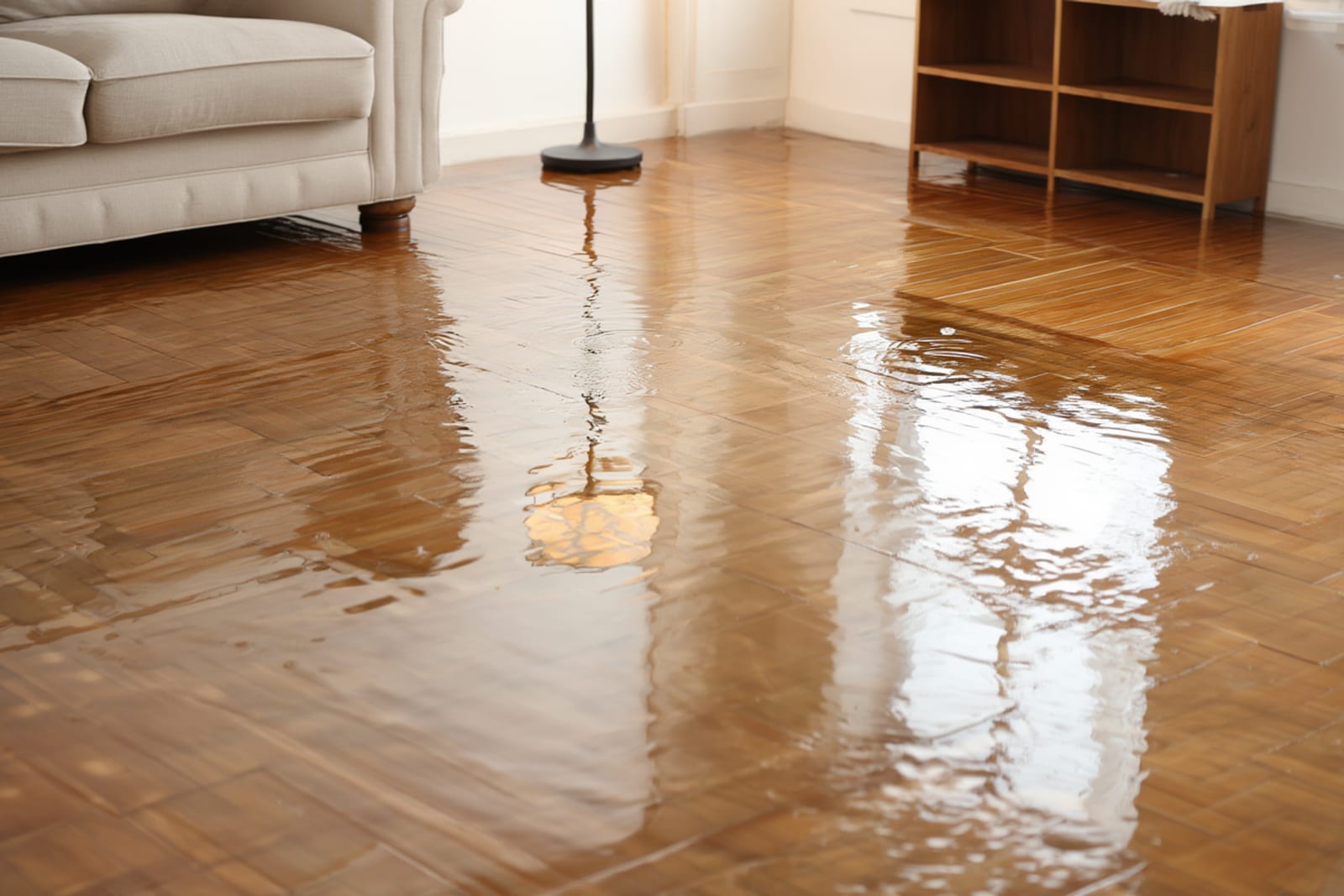
If standing water is near electrical outlets, appliances, or your electrical panel, do not step into the water. Turn off power to the affected area from a dry location using your circuit breaker. If you cannot safely reach the breaker panel, call your electric utility or 911.
Document Before You Touch Anything
Before you move a single item, grab your phone and take photos and video of everything. This documentation is critical for your insurance claim. Capture wide shots of each affected room, close-ups of the water source, and detail shots of damaged materials and contents.
Begin Removing Standing Water
Use whatever you have — a wet-dry vacuum, towels, a mop and bucket. Every minute that standing water sits in your home, it migrates further into walls, subfloor, and structural materials. You will not get it all, but reducing the volume makes a real difference.
Call for Professional Help
Contact a water damage restoration company and your insurance company. The restoration company can begin proper extraction and drying. Your insurance company needs to know about the damage promptly — your policy requires timely notification.
Safety First: Electricity and Contaminated Water
Water and electricity are a lethal combination. Before doing anything else, assess these safety risks:
- Standing water + electrical outlets — If water has reached outlet height (typically 12-18 inches above the floor), do not enter the area until power is disconnected. Outlets can energize standing water even when appliances are not plugged in.
- Wet electrical panel — Do not touch a wet breaker panel. Call your electric utility provider for emergency service.
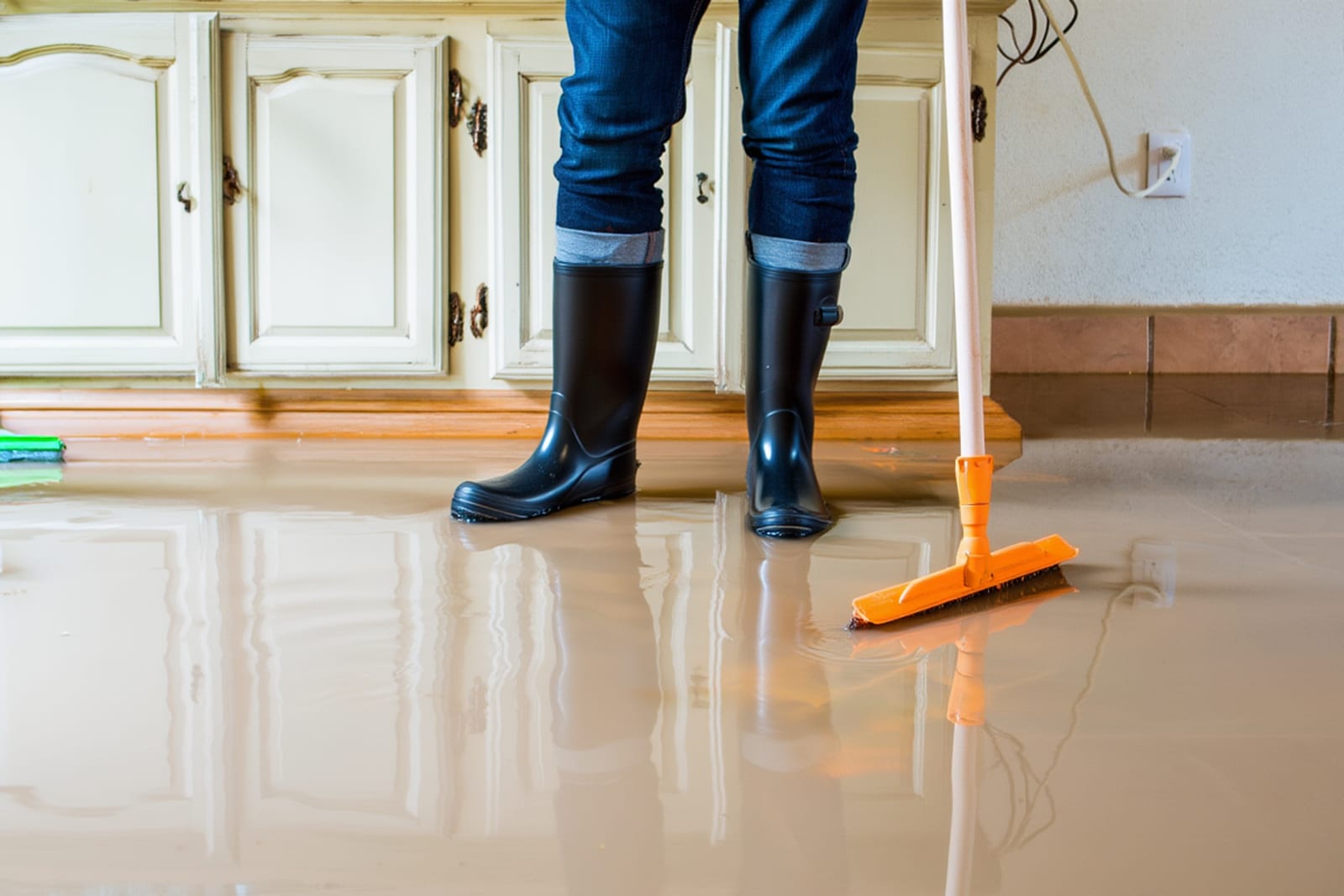
- Contaminated water — If the water source is a sewage backup, a toilet overflow with waste, or water that has been sitting for more than 48 hours, treat it as contaminated. Wear rubber boots and gloves. Do not let children or pets near it. Contaminated water carries bacteria, viruses, and parasites that can cause serious illness.
- Structural concerns — If ceilings are sagging with water weight, stay out of the room. A saturated drywall ceiling can collapse without warning. If floors feel spongy or unstable, move carefully and avoid concentrated weight in one spot.
Document Everything Before Touching Anything
Your insurance claim depends on documentation. Once you start cleanup, the evidence changes. Take 10 minutes to create a thorough record:
- Wide-angle photos from doorways — capture the full scope of each affected room. Include unaffected rooms adjacent to the damage for context.
- Close-ups of the water source — the broken pipe, failed hose, or wherever water is entering. This establishes the cause of loss for your insurance.
- Close-ups of damaged materials — water lines on walls, saturated carpet, warped flooring, damaged baseboards, wet drywall.
- Video walkthrough with narration — walk through the area describing what you see, where the water is coming from, and when you first noticed it. Your phone's metadata timestamps this automatically.
- Photos of damaged contents — furniture, electronics, personal items, documents. Photograph items where they are before moving them.
This documentation becomes the foundation of your insurance claim. The insurance claims guide covers the full filing process.
Contacting Your Insurance Company
Call your insurance carrier's 24-hour claims line as soon as you have stabilized the situation (water stopped, safety confirmed, documentation taken). Here is what to have ready:
- Your policy number — printed on your declarations page (check your email, insurer's app, or policy documents)
- Date and time of discovery — when you first noticed the water damage
- Description of the source — what you observed, not your theory. "A pipe under the kitchen sink broke" is better than "I think the plumbing is old"
- Scope of visible damage — which rooms, what materials, approximate area affected
- What you have done so far — shut off water, documented, begun cleanup. This demonstrates you are mitigating further damage as required by your policy
Your insurance company will assign a claim number and schedule an adjuster visit. You do not need to wait for the adjuster to begin professional restoration. Your policy requires you to take reasonable steps to prevent further damage — that includes hiring a restoration company to start extraction and drying.
What to Move, What to Leave Alone
Your instinct will be to start moving everything out of the water. Here is a more strategic approach:
Move immediately:
- Electronics that are near water but not yet wet — remove them from the area
- Important documents, photos, and irreplaceable items — move to a dry area
- Lightweight furniture that is sitting in standing water — move it out to prevent further absorption and staining
- Area rugs sitting on wet flooring — pull them up to allow the floor to dry
Leave for professionals:
- Wall-to-wall carpet — it needs professional extraction equipment, not pulling up
- Heavy furniture on wet carpet — put aluminum foil or plastic under legs to prevent staining, but do not try to move heavy pieces on wet surfaces
- Wet drywall — do not start ripping it out. The restoration team will make measured cuts based on moisture readings, not guessing
- Anything in contaminated (Category 3) water — let professionals with proper PPE handle it
When DIY Cleanup Makes Sense (and When It Doesn't)
Not every water event requires a professional restoration company. Here is an honest guide to when you can handle it yourself:
DIY is reasonable when:
- The water source is clean (Category 1 — supply line water)
- You caught it within minutes
- The affected area is small — one countertop, one section of floor, a single cabinet
- Water did not reach walls, did not soak through flooring to subfloor, and did not enter wall cavities
- You can dry the area completely within 24-48 hours with household equipment
Call a professional when:
- Water reached the walls — moisture has likely wicked up into the drywall and wall cavity
- Water sat for more than a few hours — it has migrated into subfloor and structural materials
- The water source is Category 2 (grey water) or Category 3 (contaminated/sewage)
- Multiple rooms are affected
- You can see or smell mold
- Flooring is warped, buckling, or spongy
- The damage is significant enough to file an insurance claim — professional documentation protects your claim
The honest truth: most water events that homeowners notice and worry about have already spread beyond what household equipment can handle. If water reached your walls or sat for more than a couple of hours, the hidden moisture in wall cavities and subfloor requires commercial structural drying equipment and daily moisture monitoring to verify complete drying. Understanding the full restoration process can help you make this judgment.
Frequently Asked Questions About Post-Water-Damage Actions
Dealing With Water Damage Right Now?
Talk to a specialist who can walk you through your next steps and dispatch a team if needed. We are available around the clock for water damage emergencies in Austin.
Serving Austin & Surrounding Communities
Our certified water damage restoration teams serve Austin and all major communities throughout the greater Austin metro area.